
If you’ve ever dreamed of living in a spacious, versatile, and unique home, a barndominium might be the perfect choice for you.
But what about Barndominium Financing?
In this comprehensive guide, we’ll explore the world of barndominium financing, from home loans to financing options and tips for securing your dream property.
Let’s begin!
You Might Also Like the Following Blog Posts
Table of Contents
What is a Barndominium?
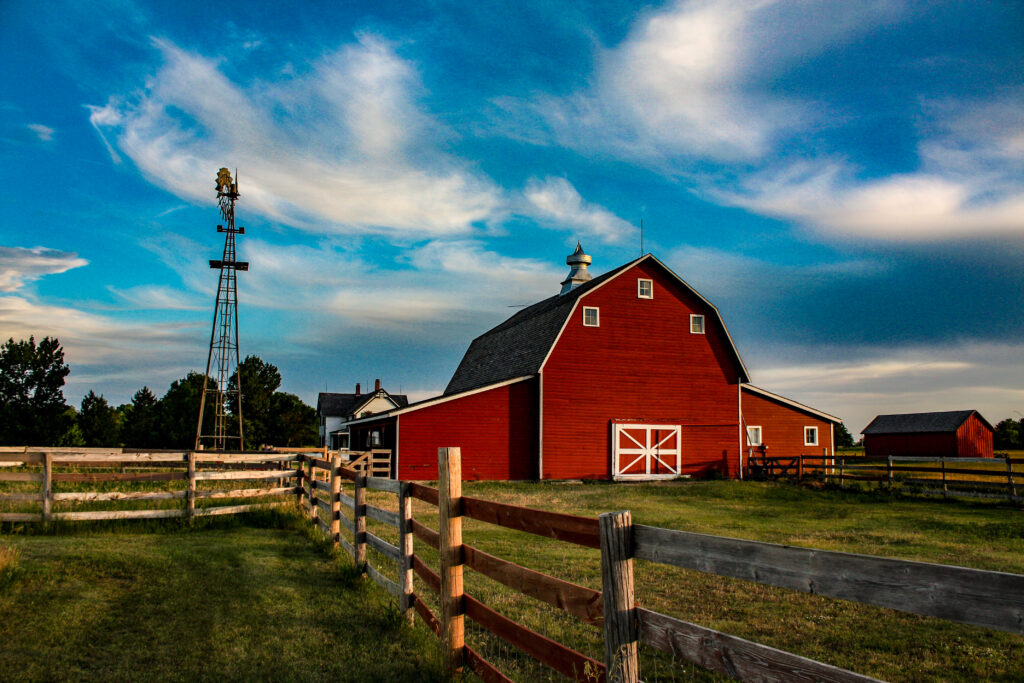
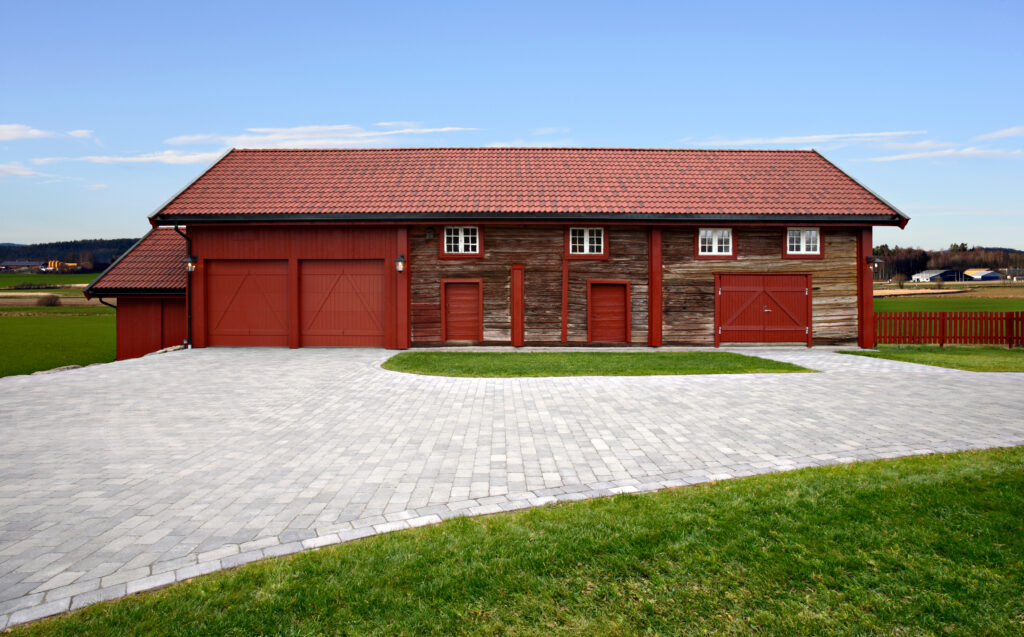
A barndominium (“barndo”) is a distinctive type of residential building that combines the best of a barn or workshop and a living space.
The term “barndominium” is a mashup of “barn” and “condominium.”
Barndos offer ample space, an attractive design, and a unique blend of comfort and functionality. They have become increasingly popular in suburban and rural areas.
However, when it comes to barndominium financing, you might be wondering if it’s possible and how to go about it.
Home Loan for Barndominiums: Is It Possible?
The short answer is yes; you can secure a home loan for a barndominium.
However, there are some essential factors to consider:
1. Appraisal and Valuation
When applying for a home loan, lenders typically require an appraisal to determine the property’s value. Barndominiums, being unique structures, might pose challenges for appraisers. It’s crucial to work with an appraiser who has experience valuing barndominiums to ensure an accurate assessment of your property’s worth.
2. Zoning and Building Codes
Barndominiums often face zoning and building code regulations that can impact your financing options. Check with local authorities to ensure your barndominium complies with all necessary codes and permits.
3. Property Location
The location of your barndominium can affect your loan terms. Properties in rural areas might have different financing options and terms compared to those in urban or suburban locations.
4. Lender Preferences
Not all lenders are familiar with barndominiums, so it’s essential to find a lender who specializes in financing these unique structures. Look for lenders who have experience working with barndominiums to streamline the loan application process.
Can You Finance Barndominiums?
Yes, financing a barndominium is possible through various financing options including:
1. Traditional Mortgage Loans
You can apply for a traditional mortgage loan to finance your barndominium, but it’s essential to meet the lender’s requirements, such as credit score, income, and down payment. Your property appraisal will play a significant role in determining your loan amount.
2. Construction Loans
If you’re building a new barndominium, a construction loan can provide the funds needed for construction and later be converted into a permanent mortgage once your home is complete. These loans typically have higher interest rates and require more documentation.
3. Barndominium-Specific Lenders
Some lenders specialize in financing barndominiums. They understand the unique aspects of these homes and can offer tailored loan options that suit your needs. Working with such lenders can simplify the financing process.
4. USDA Loans
If your barndominium is in a rural area, you may be eligible for a USDA (United States Department of Agriculture) loan. These loans offer favorable terms and lower down payment requirements for rural properties.
How to Finance Your Barndominium (6-Step Process)
Now that you know it’s possible to finance your barndominium, let’s explore how to go about it:
1. Credit Score and Financial Stability
Start by reviewing your credit score and financial stability. A higher credit score can help you qualify for better loan terms and interest rates. Pay off outstanding debts and ensure your finances are in order before applying for a loan.
2. Property Inspection and Appraisal
Before securing a loan, have your barndominium inspected to identify any potential issues. Additionally, hire an appraiser experienced in valuing barndominiums to determine its market value accurately.
3. Gather Necessary Documentation
Lenders will require various documents, including tax returns, bank statements, proof of income, and details about the barndominium’s construction or purchase. Be prepared to provide these documents promptly.
4. Shop Around for Lenders
Don’t settle for the first lender you find. Shop around and compare loan terms, interest rates, and fees from multiple lenders to find the best deal for your barndominium financing.
5. Consider Down Payment Options
Determine the down payment you can afford and explore down payment assistance programs if available. A larger down payment can lower your monthly mortgage payments and improve your loan terms.
6. Consult with Experts
Seek advice from professionals who specialize in barndominiums, such as builders, real estate agents, and financial advisors. They can provide valuable insights and guidance throughout the financing process.
Steps for Getting a Loan for Your Barndominium
1. Evaluate Your Financial Situation:
Assess your credit score, income, and financial stability to determine your eligibility for a loan.
2. Choose the Right Location:
Select a suitable location for your barndominium, considering zoning regulations and building codes.
3. Property Inspection and Appraisal:
Schedule a thorough property inspection and hire an experienced appraiser to determine the property’s value.
4. Gather Necessary Documents:
Prepare all required documents, including financial records, tax returns, and construction details.
5. Research Lenders:
Research lenders who specialize in barndominium financing and compare their loan offerings.
6. Apply for Pre-Approval:
Apply for pre-approval with your chosen lender to understand your loan eligibility and potential terms.
7. Select the Right Loan Option:
Choose the financing option that best suits your needs, whether it’s a traditional mortgage, construction loan, or another type.
8. Complete the Application:
Submit your loan application and provide all necessary documents to the lender.
9. Underwriting and Approval:
The lender will review your application, conduct underwriting, and make a lending decision.
10. Close the Loan:
Once your loan is approved, you’ll close the loan by signing the necessary documents.
11. Begin Construction or Move In:
If you’re building a new barndominium, construction can begin after closing. If it’s an existing property, you can move in once the loan is closed.
12. Manage Your Mortgage:
After securing your barndominium, responsibly manage your mortgage payments to maintain a strong financial position.
Conclusion & Wrap-Up
Financing your dream barndominium is indeed possible, but it requires careful planning, research, and attention to detail.
By following the steps outlined in this guide and working with experienced professionals, you can turn your barndominium dream into a reality and enjoy the unique charm and versatility of this one-of-a-kind home.
Remember that the specific details of barndominium financing can vary depending on your location, lender, and individual circumstances. Consulting with professionals and experts who understand barndominiums is crucial for a smooth financing experience.
Barndominium Financing – Frequently Asked Questions (FAQs)
1. Can I get a traditional mortgage for a barndominium?
Yes, you can apply for a traditional mortgage to finance a barndominium. However, it’s essential to meet the lender’s requirements, such as credit score, income, and property appraisal.
2. Are there special loans for barndominiums?
Yes, there are lenders who specialize in barndominium financing and offer tailored loan options for these unique structures. These lenders understand the challenges and nuances associated with barndominiums.
3. What is the difference between a construction loan and a traditional mortgage?
A construction loan provides funds to build your barndominium, and it can later be converted into a permanent mortgage once construction is complete. Traditional mortgages are used for purchasing completed homes.
4. How does the appraisal process work for barndominiums?
Appraising barndominiums can be more complex due to their unique nature. It’s crucial to hire an appraiser experienced in valuing barndominiums to accurately assess the property’s value.
5. What factors can affect my loan terms and interest rates?
Several factors can influence your loan terms, including your credit score, down payment amount, property location, and the lender’s policies. A higher credit score and a larger down payment can typically lead to better terms.
6. Are there government programs for financing barndominiums?
If your barndominium is located in a rural area, you may be eligible for a USDA (United States Department of Agriculture) loan, which offers favorable terms and lower down payment requirements for rural properties.
7. What documentation do I need to apply for a barndominium loan?
Lenders typically require documentation such as tax returns, bank statements, proof of income, and details about the barndominium’s construction or purchase.
8. How can I find a lender who specializes in barndominium financing?
Research online, ask for recommendations from real estate professionals, and contact local lenders to inquire about their experience with barndominium financing. Choosing a specialized lender can simplify the financing process.
9. What is the role of zoning and building codes in barndominium financing?
Zoning and building code regulations can impact your financing options. It’s essential to ensure your barndominium complies with all local regulations and permits before applying for a loan.
10. How can I improve my chances of securing a barndominium loan?
To enhance your eligibility, maintain a good credit score, manage your finances responsibly, and consider saving for a larger down payment. Consulting with experts and professionals who specialize in barndominiums can also provide valuable guidance.
11. What should I look for in a property location for my barndominium?
Consider factors such as zoning regulations, proximity to essential services, and the overall appeal of the location. Rural areas might have different financing options and terms compared to urban or suburban locations.
12. Is it possible to finance a barndominium that I plan to build myself?
Yes, it’s possible to secure financing for a self-built barndominium, but the process may be more complex. You’ll likely need a construction loan, and you’ll need to provide detailed construction plans and timelines to the lender.
Need Help With Your Barndominium Construction Financing?
You’ve got questions.
We’ve got expert answers!
If you’re thinking about a Barndominium construction loan, or if you have questions about getting the best interest rate, obtaining jumbo loan financing, or any other questions about what loan products you may qualify for, you can get in touch with us HERE.
>> Click HERE to get a great low mortgage rate in 60 seconds or less!
About the Author

Brian Reese is a senior advisor and co-owner at District Lending. He is one of the world’s leading experts in veteran benefits, having helped millions of veterans secure their financial future since 2013. Brian is the founder VA Claims Insider, an education-based Coaching & Consulting company whose mission is to educate and empower veterans to get the VA disability benefits they’ve earned for their honorable service. A former active-duty air force officer, Brian deployed to Afghanistan in support of Operation Enduring Freedom. He is a distinguished graduate of management of the United States Air Force Academy and earned his MBA as a National Honor Scholar from the Spears School of Business at Oklahoma State University.
In Brian’s Words:
“As a military veteran, I’ve made it my life’s mission to help people live happier and wealthier lives. District Lending brings this mission to life. We believe in integrity, honesty, and transparency, which is why you’ll see our rates right on our website. You’ll find lower rates and zero lending fees, which means you can buy your dream home for less. The savings are passed on to you — the way it should be.”
– Brian Reese, Advisor and Co-Owner, District Lending